Category: Property Guide

Guide reagrding property guide and more information about properties.

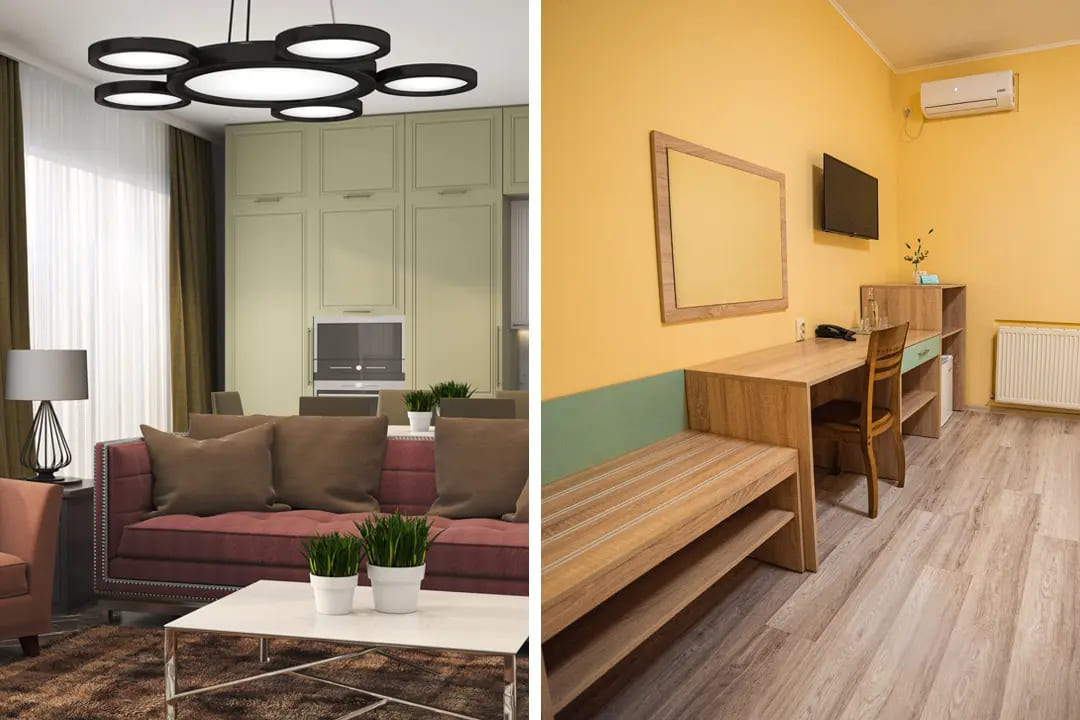
  • Fully Furnished vs Semi Furnished Rent in Pune What Should You Choose in 2026?

    Fully Furnished vs Semi Furnished Rent in Pune What Should You Choose in 2026?

    If you’re already past the browsing stage. Now it’s about cost, convenience, and how long you plan to stay.

    Fully furnished flats typically command ₹5,000–₹10,000 more in monthly rent than similar semi-furnished or unfurnished units, depending on the area and amenities offered.

    The right choice depends less on “what looks better” and more on your stay duration and financial comfort.

    Let’s break it down clearly.

    What Fully Furnished Flat in Pune Typically Includes

    If you want a fully furnished flat in Pune, it usually comes with:

    • Beds and mattresses
    • Sofa and dining table
    • Refrigerator
    • Washing machine
    • Curtains and light fixtures
    • Sometimes ACs and TV

    You move in with luggage and minimal setup effort.

    Trade-off: Higher monthly rent and slightly higher security deposit.

    What Semi Furnished Rent in Pune Includes

    A semi furnished flat in Pune typically includes:

    • Built-in wardrobes
    • Kitchen cabinets
    • Basic lights and fans
    • Geyser
    • Sometimes modular kitchen fittings

    You arrange movable furniture yourself.

    Trade-off: Lower monthly rent, but some upfront setup cost.

    Fully Furnished vs Semi Furnished Rent in Pune – Cost Difference

    For a 2BHK in Baner or Wakad:

    • Fully furnished: ₹30,000–₹45,000
    • Semi furnished: ₹24,000–₹35,000

    That’s a difference of ₹5,000–₹10,000 monthly.

    Over 2 years, that gap can cross ₹1.5–2 lakh. This is where your time horizon matters.

    Hidden Costs to Consider

    Many renters compare only the rent price.

    But consider:

    • Deposit deductions for furniture damage
    • Appliance maintenance responsibility
    • Wear-and-tear disputes
    • Higher negotiation rigidity in fully furnished homes
    • Furniture resale loss if you buy your own

    Fully furnished rent in Pune may look convenient, but can reduce negotiation flexibility.

    Semi furnished homes often offer better bargaining scope.

    The Real Decision: Duration + Lifestyle Fit

    When comparing fully furnished vs semi furnished rent in Pune, the smartest way to decide isn’t by looking at furniture lists, it’s by combining two factors:

    1) How long do you plan to stay 2) How much convenience are you willing to pay for

    Once you align those two, the answer usually becomes obvious.

    If You’re Staying Under 24 Months

    Fully furnished homes typically make more sense.

    You’ll pay ₹5,000–₹10,000 more per month, but you avoid:

    • Buying furniture
    • Transport and installation costs
    • Appliance setup delays
    • Resale losses when you leave
    • Time spent coordinating carpenters or deliveries

    For short-term roles, IT project assignments, or trial relocations to Pune, convenience often outweighs monthly savings.

    In this duration window, fully furnished isn’t “expensive”, it’s friction-free.

    If You’re Staying 2–3 Years

    This is the grey zone.

    Now the math starts to matter.

    Example:

    Saving ₹7,000 per month in a semi furnished flat equals ₹84,000 per year.

    That amount can comfortably cover:

    • A bed and mattress
    • Sofa set
    • Refrigerator
    • Washing machine
    • Basic furnishings

    At this stage, the decision becomes personal:

    • Do you prefer flexibility and zero setup effort?
    • Or are you comfortable managing furniture to reduce long-term cost?

    There is no universal answer here, only a comfort threshold.

    If You’re Staying 3+ Years

    Semi furnished homes usually win financially.

    Why?

    Because rental premiums compound.

    Saving even ₹7,000 monthly over 4–5 years becomes significant. Meanwhile, furniture becomes a one-time sunk cost that spreads over a longer period.

    You also gain:

    • Control over furniture quality
    • Freedom to design your space
    • Less dependency on landlord maintenance for appliances

    For long-term residents planning stability in Pune, semi furnished rentals often provide better financial efficiency.

    The Core Rule

    The longer your stay, the more semi furnished begins to outperform fully furnished. The shorter your stay, the more fully furnished reduces stress and transition friction.

    Quick Decision Filter

    Choose Fully Furnished if:

    • You’re unsure how long you’ll stay
    • Your role is project-based
    • You relocate frequently
    • Convenience is a top priority

    Choose Semi Furnished if:

    • You’re settling in Pune long-term
    • You want lower recurring rent
    • You’re comfortable investing upfront
    • You prefer customizing your living space

    In Pune’s competitive rental market, the furnishing decision can quietly cost or save you ₹2–3 lakh over time. The right choice isn’t about which flat looks better; it’s about how long you’re committing and how much flexibility you want.

    Calculate first. Commit second.

    FAQs

    Is fully furnished rent higher than semi furnished in Pune?

    Yes. Fully furnished homes generally cost more due to the included appliances and furniture. The exact premium depends on locality and furnishing quality.

    How much more does fully furnished rent cost in Pune?

    For a 2BHK in popular areas, the annual difference can range from ₹60,000 to ₹1.2 lakh.

    Which is better for IT professionals in Pune?

    For short-term project roles, fully furnished is more convenient. For long-term employment in one location, semi furnished is usually more economical.

    Is semi furnished cheaper in the long term?

    Yes. If you stay beyond 3 years, the lower monthly rent often outweighs the furniture setup cost.
  • Pune Housing 2026: Prices, Localities and Buying Outlook

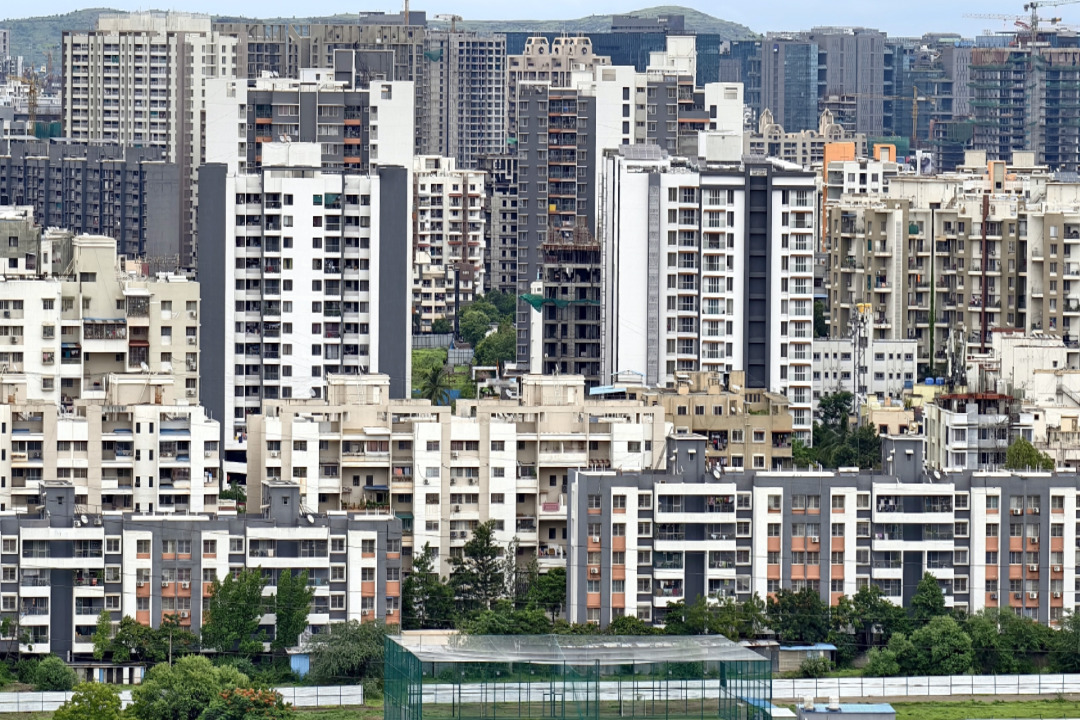
    Pune Housing 2026: Prices, Localities and Buying Outlook

    Pune’s housing market has steadily evolved from a value-driven alternative to Mumbai into a decision-heavy market of its own. Buyers in 2026 are no longer just asking “what’s the rate?” – they’re asking Where does this make sense for my life, work, and future plans?

    This guide looks at Pune housing through a decision-first lens: price trends, locality behaviour, and the questions buyers should be asking before committing.

    Quick Answers: Housing in Pune (2026)

    Pune housing prices in 2026 are largely stable in mature areas, with selective growth in emerging micro-markets driven by infrastructure completion.

    West Pune and East Pune remain the most liquid residential zones due to sustained end-user and rental demand.

    Buyers should prioritise micro-location quality, infrastructure timelines, and lifestyle fit over headline price appreciation.

    Are Pune housing prices increasing in 2026?

    They are increasing selectively, not uniformly across the city. Instead, different micro-markets are moving at different speeds.

    Broad patterns buyers should note:

    • Prices in established IT corridors have largely stabilised, with appreciation driven more by infrastructure completion than speculation.
    • Peripheral and emerging zones are showing selective growth – not all “upcoming areas” are equal.
    • Ticket sizes have increased, but affordability pressure is being managed through smarter unit sizing and phased developments.

    Rather than chasing the lowest rate per sq ft, buyers in 2026 need to evaluate value sustainability – how livable, rentable, and resale-ready the location will remain over the next 7–10 years.

    Top Localities to Watch in Pune (2026)

    Hinjewadi & West Pune

    Hinjewadi continues to attract IT-driven demand, but buyers should differentiate between phases.

    • Phase 1 remains employment-centric with limited social infrastructure.
    • Phases 2 and 3 offer better residential planning but vary sharply by project quality.

    Who it works for: Professionals prioritising proximity to tech parks and mid-term rental demand.

    Buyer watch-out: Traffic patterns and future metro connectivity matter more here than headline pricing.

    Baner, Balewadi & Aundh

    These areas represent Pune’s mature urban living zones.

    • Strong social infrastructure
    • Consistent resale liquidity
    • Higher entry prices, but lower risk

    Who it works for: End-users planning long-term self-use and buyers who value stability over aggressive appreciation.

    Buyer watch-out: Older projects may need higher maintenance costs  check lifecycle expenses, not just purchase price.

    Wakad & Tathawade

    Once purely affordable extensions, these micro-markets are now transitioning into mid-segment residential hubs.

    What’s changing:

    • Better schools and retail clusters
    • Improved internal road connectivity
    • Growing demand from both buyers and tenants

    Buyer watch-out: Project density and construction quality vary significantly. Two buildings on the same road can have very different long-term outcomes.

    Kharadi, Viman Nagar & East Pune

    Driven by EON IT Park, airport access, and commercial activity, East Pune remains resilient.

    Who it works for: Buyers seeking a balance between self-use and rental flexibility.

    Buyer watch-out: Some pockets face civic infrastructure strain. Liveability depends heavily on micro-location, not just locality name.

    South Pune: Undri, Pisoli, Kondhwa

    South Pune continues to attract price-sensitive buyers, but it’s a planning-led decision.

    Who it works for: Buyers with longer time horizons who prioritise space and budget.

    Buyer watch-out: Infrastructure timelines are critical here. Always evaluate current livability versus promised future development.

    What Buyers Often Miss (But Shouldn’t in 2026)

    1. Micro-location Beats Locality Name

    Two projects in the same locality can have entirely different daily experiences. Buyers should evaluate:

    • Road access during peak hours
    • Drainage and water reliability
    • Walkable amenities

    2. Rental Yield ≠ Rental Demand

    A location may show decent yields on paper but suffer from inconsistent tenant demand.

    Ask:

    • Who actually rents here?
    • Is demand driven by offices, colleges, or transient populations?

    3. Infrastructure Is About Timing, Not Announcements

    Metro lines, flyovers, and ring roads impact value when they’re usable, not when they’re announced.

    Buyers should plan based on realistic completion windows, not marketing timelines.

    4. Lifestyle Fit Matters More Than Appreciation Hype

    A slightly lower appreciation in a locality that fits your daily routine often creates better long-term satisfaction than chasing the “next hot zone.”

    How to Approach a Buying Decision in Pune

    Instead of asking “Is this a good area?”, ask:

    • Does this locality support my daily commute and lifestyle?
    • What will resale or rental demand look like in 5–7 years?
    • What risks am I accepting – infrastructure, density, or liquidity?

    This shift from search-based buying to decision-based planning is what separates confident buyers from regret-driven ones.

    Is it a good time to Buy Property in Pune

    Yes, it is a good time to buy property in Pune for long-term buyers, as the city continues to benefit from strong IT sector growth, major infrastructure upgrades, and consistent job creation.

    Summing Up

    The Pune housing market in 2026 rewards clarity, not speed. Prices alone don’t tell the full story – livability, infrastructure timing, and locality maturity matter just as much.

    Buyers who slow down, ask better questions, and evaluate trade-offs are far more likely to make decisions they won’t second-guess later.

    At TryThat.ai, we believe home buying should feel less like searching and more like planning. The right decision starts with the right questions.

  • Premium Localities in Pune 2026: Are Property Prices Justified?

    Premium Localities in Pune 2026: Are Property Prices Justified?

    In 2026, premium housing in Pune is no longer judged by price alone. If you are looking for the best area to live in Pune or evaluating localities in Pune, factors like strategic location, lifestyle, and connectivity play a key role.

    Beyond convenience, lifestyles also play an important role. Planned layouts, lower congestion, quality residential projects, and better civic amenities make these localities attractive to both end-users and long-term investors.As Pune continues to expand, the key question for buyers in 2026 is not only how expensive these areas are, but whether the pricing is justified by long-term livability, rental demand, and value stability.

    Let’s find out.

    What Defines a ‘Premium Locality’ in Pune?

    A premium locality in Pune is defined by four core factors:

    • Location advantage
    • Connectivity
    • Lifestyle quality
    • Long-term price performance

    Areas located close to major IT hubs such as Hinjewadi, Kharadi, Magarpatta, and Baner–Balewadi attract consistent end-user and rental demand, which directly reflects in higher average property prices per sq.ft.

    Connectivity plays a decisive role in reinforcing this premium. Neighbourhoods with metro access, expressway connectivity, and proximity to the airport offer reduced commute times and daily convenience – a key consideration for buyers searching for homes near me in Pune.

    Lifestyle and urban infrastructure further differentiate premium localities. Planned layouts, quality residential projects, reputed schools, healthcare facilities, and organised retail improve liveability and support higher price points. Historically, these areas show steadier appreciation and lower price volatility, making the higher 2026 pricing more defensible for both homebuyers and investors.

    Price Overview of Premium Localities in Pune (2026)

    Property prices across Pune’s premium localities differ based on location maturity, infrastructure readiness, and buyer demand. In 2026, these areas continue to command higher price points, though the value proposition varies by micro-market.

    Baner & Balewadi – Pune’s Premium Western Belt

    Baner and Balewadi remain established premium zones due to proximity to Hinjewadi and strong connectivity. Property prices here sit at the higher end of the western corridor, supported by consistent end-user demand. Ready possession homes command a premium, while limited new supply and metro connectivity support long-term price stability.

    Kalyani Nagar & Koregaon Park – Central Premium Nodes

    These central localities represent Pune’s most exclusive residential pockets, with luxury projects falling into the city’s top price brackets. Demand is driven by proximity to business districts, premium retail, and lifestyle hubs. While appreciation may be steady rather than aggressive, rental demand and capital protection remain strong.

    Kharadi – IT-Driven Premium Demand

    Kharadi’s pricing is supported by its role as a major IT hub. Premium flats for sale here offer strong rental absorption, backed by proximity to EON IT Park and improving metro access. Buyer preference leans toward modern gated communities, making Kharadi a balanced option for both investors and end-users.

    Wagholi & Undri – Emerging Premium Pockets

    Wagholi and Undri offer relatively lower entry prices compared to established premium zones. Infrastructure upgrades and growing residential supply are gradually improving liveability. These areas suit buyers focused on long-term appreciation rather than immediate lifestyle advantages.

    Locality Avg Price Range (₹/sq.ft) Ready Possession Availability Demand Profile
    Baner–Balewadi Higher premium range High End-users & investors
    Kalyani Nagar–KP Top-tier luxury range Limited Luxury & HNI buyers
    Kharadi Upper-mid premium range Moderate IT professionals
    Wagholi–Undri Lower premium entry High Value & growth-focused buyers

    Are Premium Property Prices in Pune Justified in 2026?

    Whether premium property prices in Pune are justified in 2026 depends largely on buyer intent – end-use or investment.

    End-User Focus – Quality of Life

    For end-users, premium pricing is often justified by daily convenience and lifestyle advantages. Shorter commute times to IT hubs, access to reputed schools and hospitals, organised retail, and better social infrastructure improve overall liveability. Planned neighbourhoods, lower congestion, and gated residential communities also contribute to a more stable and comfortable living environment, which many buyers are willing to pay extra for.

    Investor Focus – Returns & Appreciation Potential

    From an investment standpoint, premium localities offer lower risk and steady returns rather than aggressive short-term gains. Rental yields tend to remain stable due to sustained demand from professionals, while long-term appreciation is supported by limited land availability and infrastructure-led growth. In 2026, ready possession properties in premium areas often provide quicker rental income compared to under-construction projects, even if the entry price is higher.

    Checklist Before Buying Premium Property in Pune

    Before finalising a purchase, buyers should evaluate premium properties through a price-and-value lens:

    • Verify the actual price per sq.ft, including all charges
    • Check ready possession availability versus project timelines
    • Review planned and upcoming infrastructure developments
    • Ask for recent for sale transaction history in the locality
    • Understand realistic price negotiation ranges in the current market

    This helps separate perceived premium from real value.

    Ready Possession Luxury Flats – A Smart Buy in 2026?

    In 2026, ready possession luxury flats are gaining preference among premium buyers. While they usually come at a higher upfront price than upcoming projects, they offer immediate usability, reduced construction risk, and clearer pricing visibility.

    Compared to under-construction properties, ready-to-move homes allow buyers to assess build quality, surroundings, and actual livability. The short-term cost difference is often offset by saved rent, faster rental income, and lower uncertainty, making them a practical choice for both end-users and investors focused on stability.

    Pune Housing 2026 Outlook – Verdict

    Premium property prices in Pune are largely justified in 2026, but not for everyone.

    Who should buy now?
    End-users seeking long-term residence and investors prioritising rental stability and capital protection.

    Who should wait?
    Buyers focused purely on short-term appreciation or looking for lower entry prices.

    Investment vs end-use decision
    Premium localities favour end-use comfort and low-risk investment, rather than speculative gains.

    For buyers who value location, lifestyle, and long-term resilience, paying a premium in Pune’s established localities can still make sense in 2026.

    Frequently Asked Questions

    Q1. What is the average price in Pune’s premium localities in 2026?
    Premium localities in Pune typically range higher than mid-market areas, depending on location maturity, connectivity, and project quality.

    Q2. Are ready possession luxury flats better than under-construction in 2026?
    Ready possession flats offer immediate usability, lower risk, and faster rental potential, making them preferable for buyers prioritising certainty.

    Q3. Which premium locality in Pune is best for investment?
    Localities with strong employment access and rental demand, such as western and eastern IT corridors, remain attractive for low-risk investment.